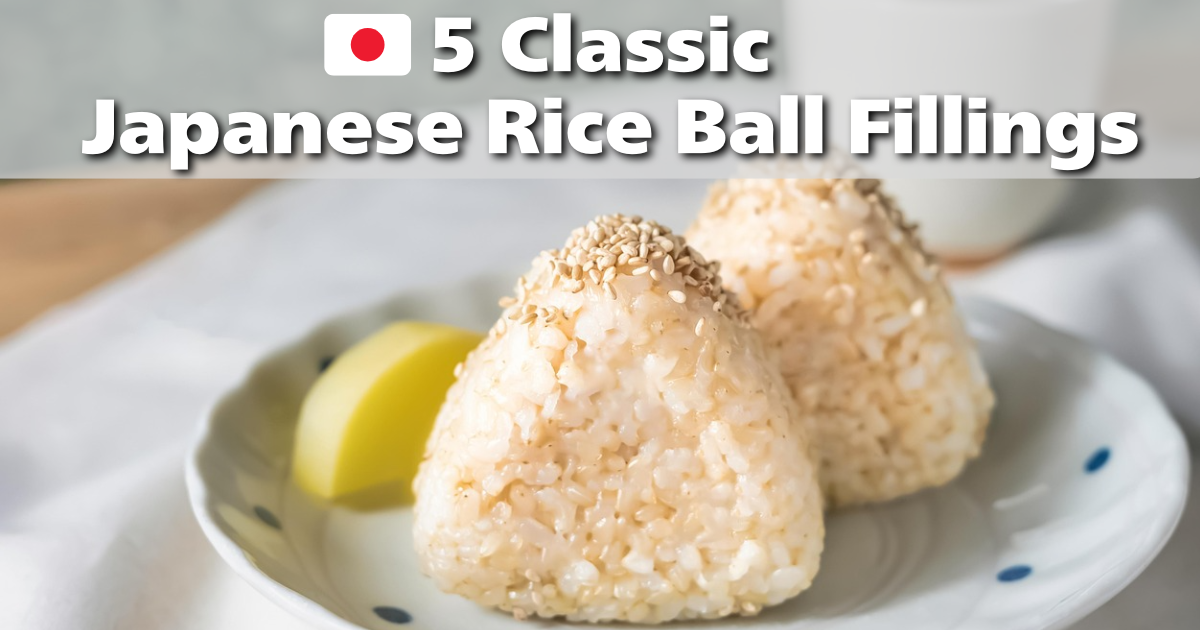
What Is Onigiri to Japanese People?

For Japanese people, onigiri is a national favorite.
It’s one of the most popular foods for breakfast, lunch, lunch boxes, or a quick snack when you’re a little hungry.
You can find it in almost every convenience store or supermarket, and it’s also very easy to make at home.

You can think of it as something like a sandwich or a burger in other countries — a quick, convenient meal that people enjoy anytime.
That’s why onigiri is considered one of the foods that represents Japan.
In this article, I’ll introduce the basics of onigiri and five classic fillings that are especially popular in Japan.
How to Make Basic Onigiri
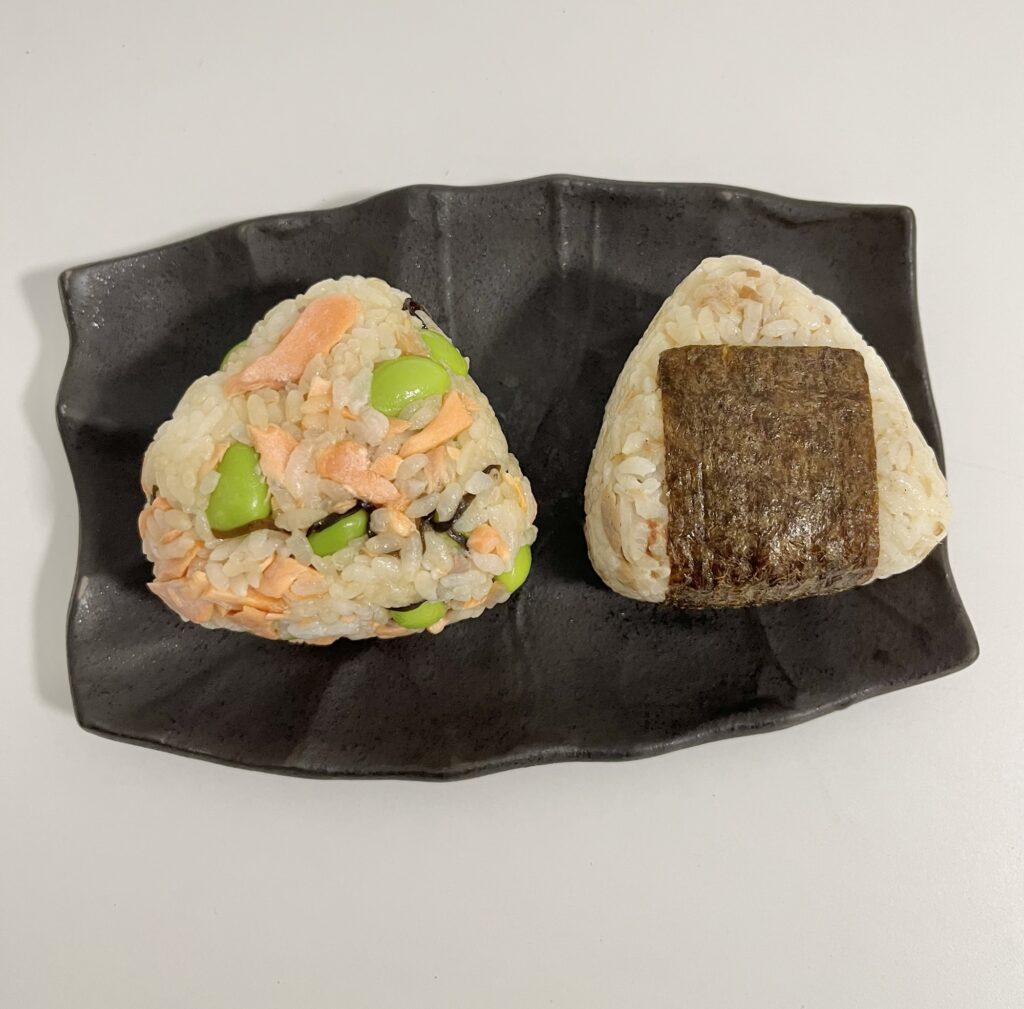
Making onigiri at home is very simple. You only need warm rice, a little salt, and your favorite filling.
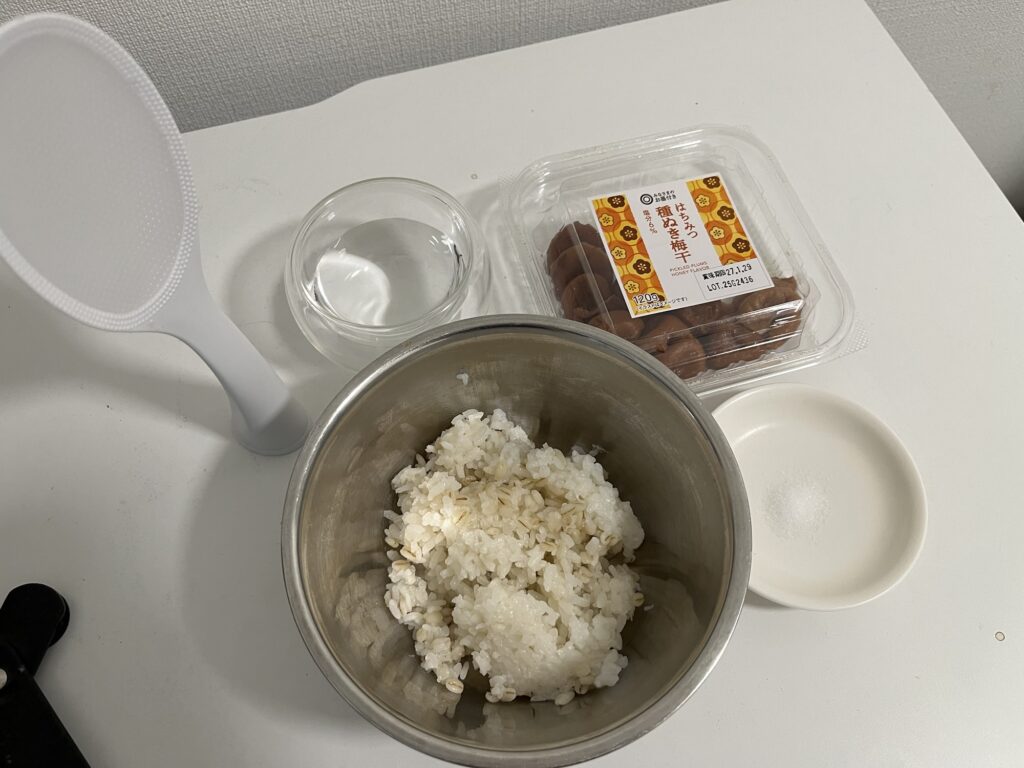
1.Prepare freshly cooked, warm rice.
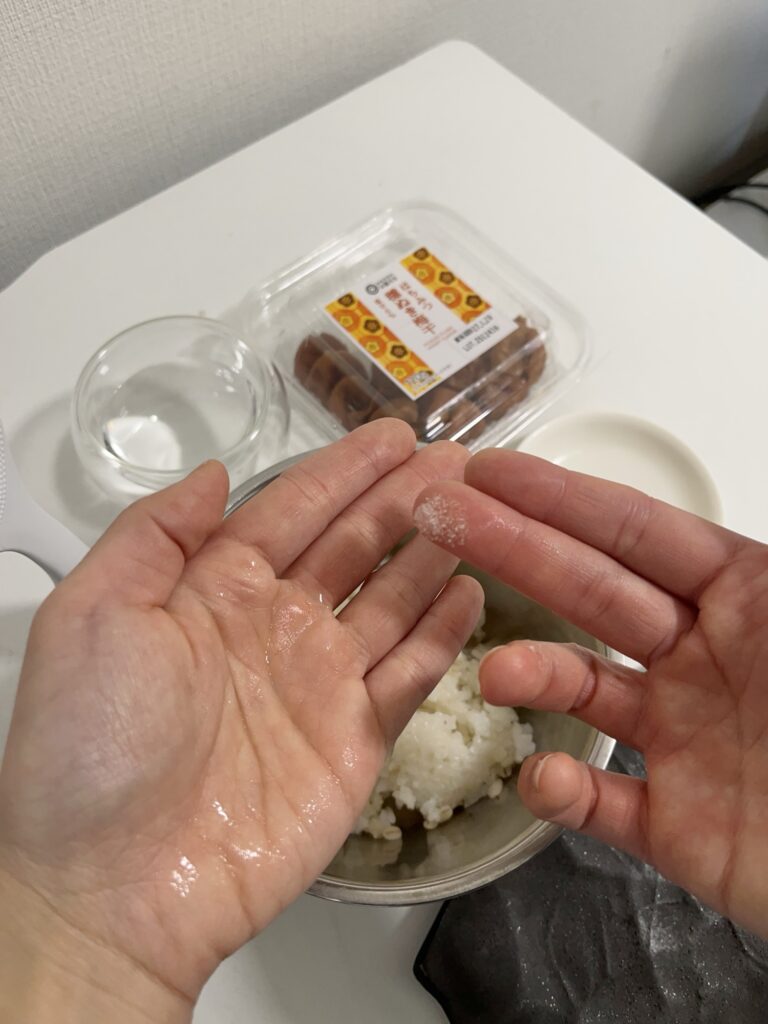
2.Lightly wet your hands with water and sprinkle a small amount of salt on them.
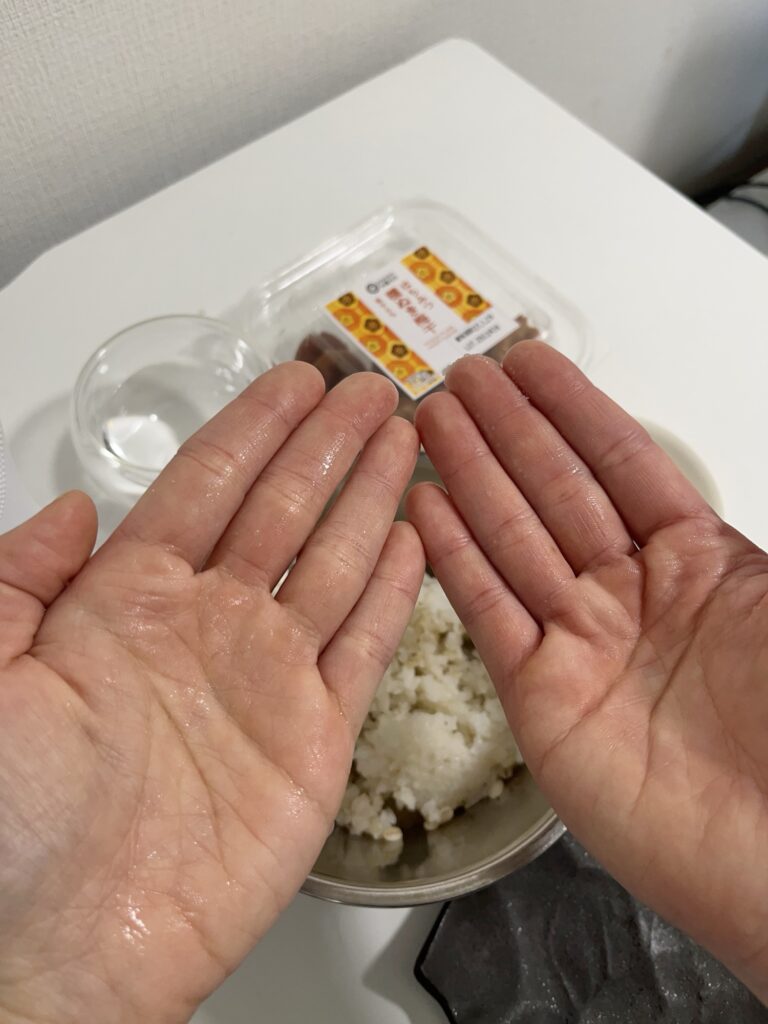
3.Take a handful of rice and place a small amount of filling in the center.
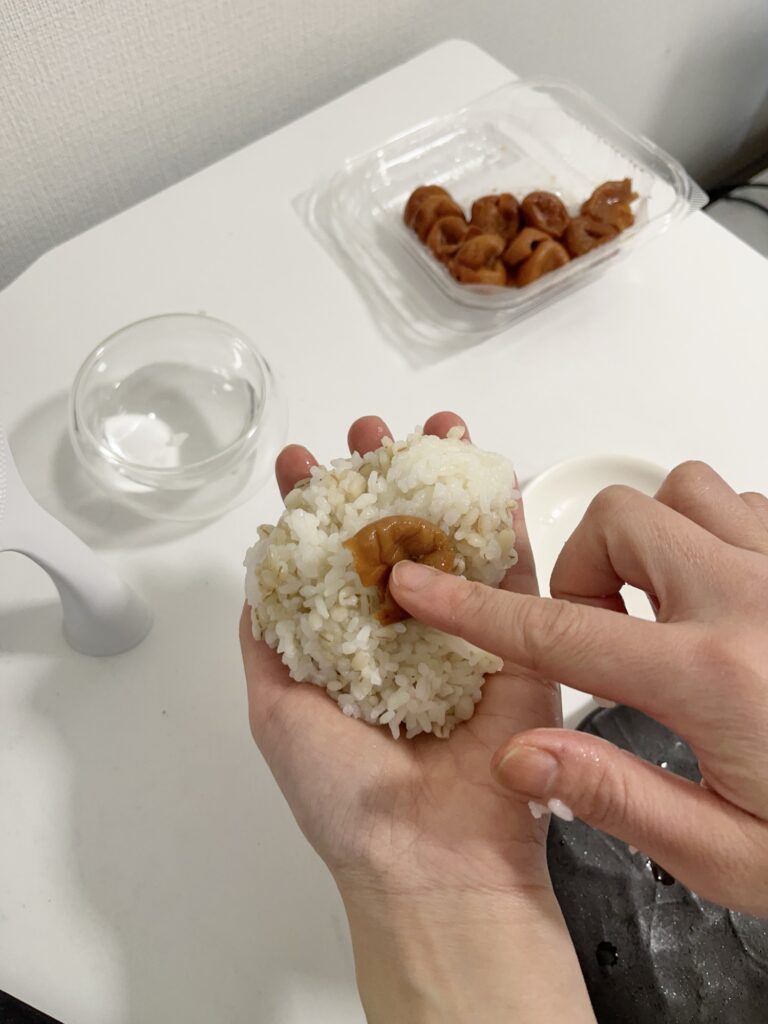
4.Cover the filling with more rice and gently shape it into a triangle or a round shape. It doesn’t have to be completely covered.
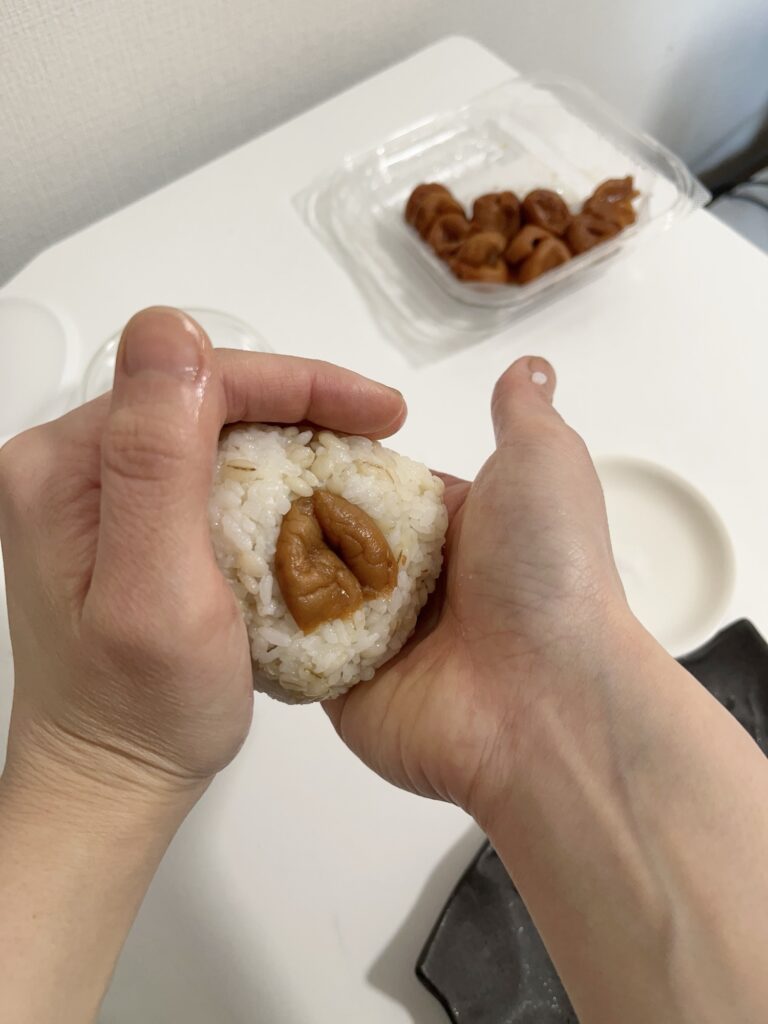
People often say you shouldn’t press onigiri too tightly, but I don’t worry about it too much. Even if you shape it a bit firmly, it still tastes great.
5.Wrap it with a sheet of nori (seaweed) if you like.
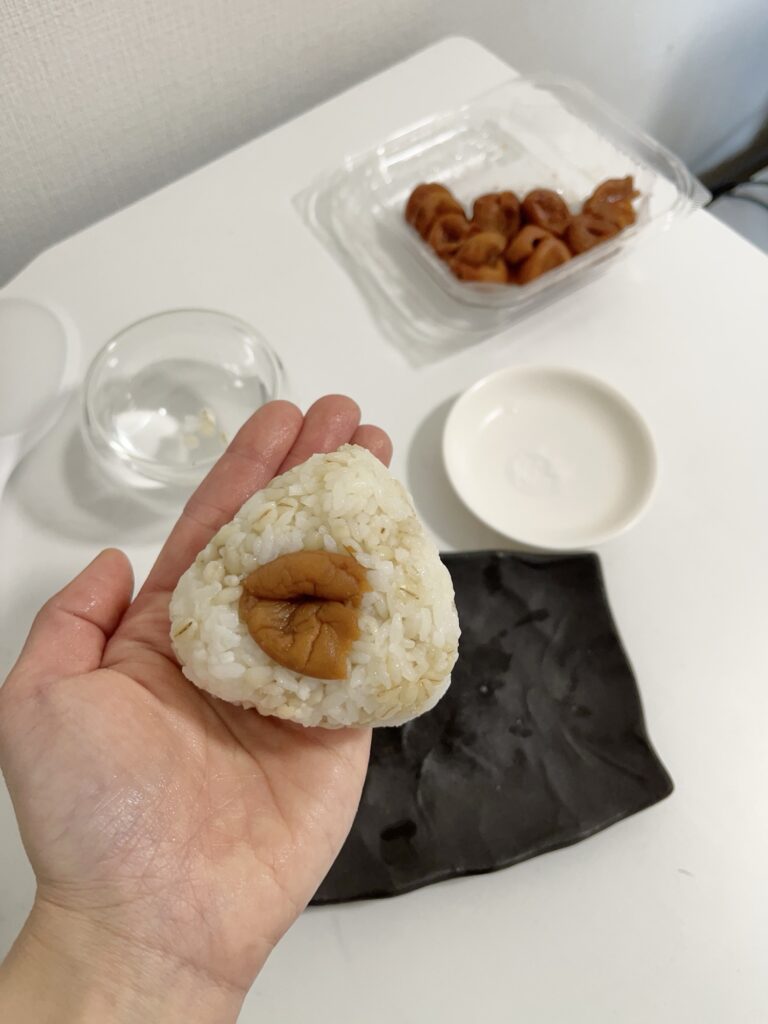
✅Make sure to use warm rice. If the rice is cold, it’s hard to shape the onigiri properly.
You don’t have to shape onigiri directly with your hands. You can place the rice on plastic wrap and shape it that way, or use an onigiri mold to keep your hands clean.
Five Classic Onigiri Fillings
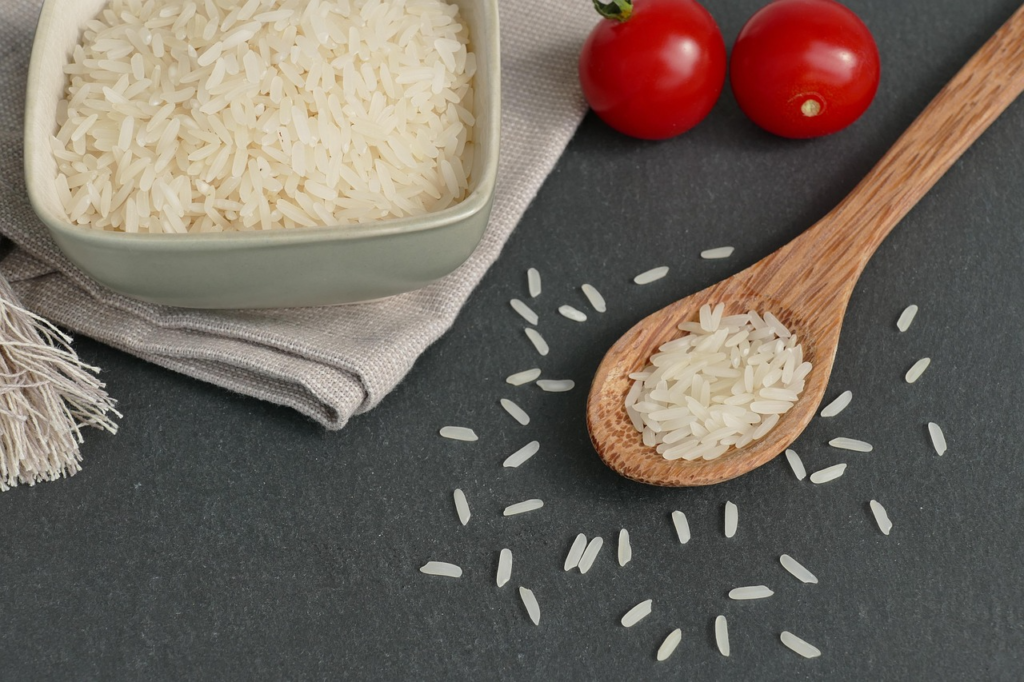
There are many different fillings for onigiri, but some have been especially popular in Japan for a long time.
Here are five classic onigiri fillings you’ll often find in Japanese homes and convenience stores.
1.Umeboshi (Pickled Plum)
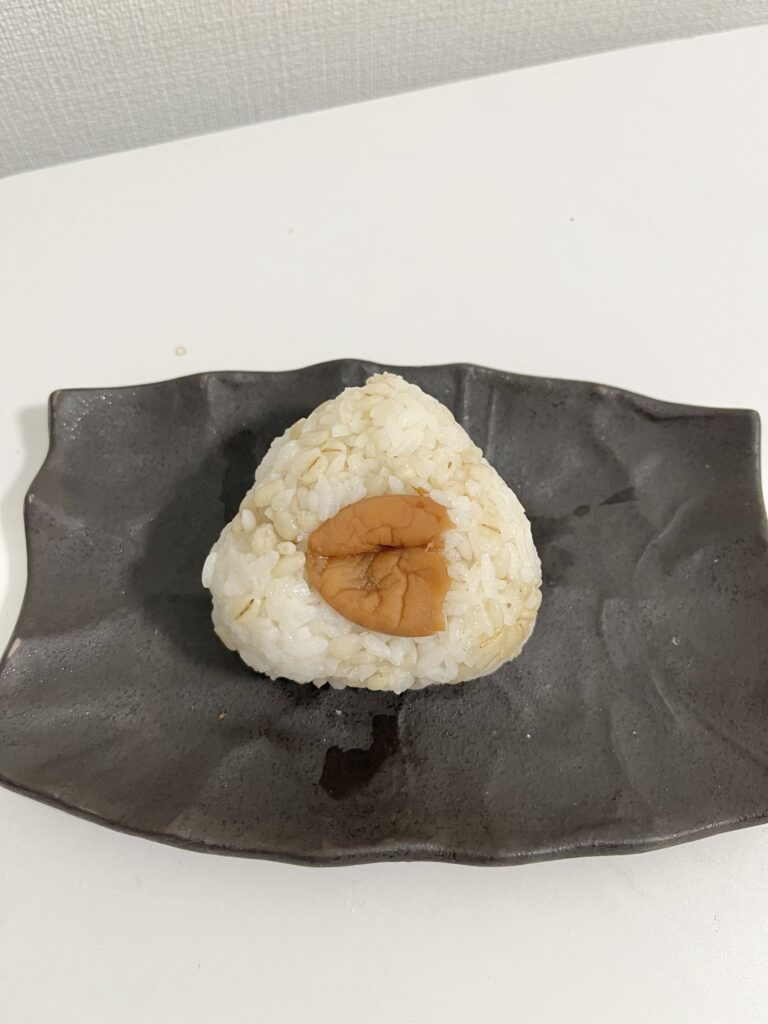
Umeboshi is a traditional Japanese pickled plum with a very sour and salty flavor.
It has been used in onigiri for centuries because its strong flavor pairs well with rice. Umeboshi is also known for its preserving qualities, which made it a popular filling for lunch boxes in the past.
Traditional umeboshi can be really sour, so it might be a bit intense if you’re trying it for the first time.
There are also sweeter types of umeboshi though. If you see honey umeboshi, those are usually sweeter and easier to start with.
2. Tuna Mayo
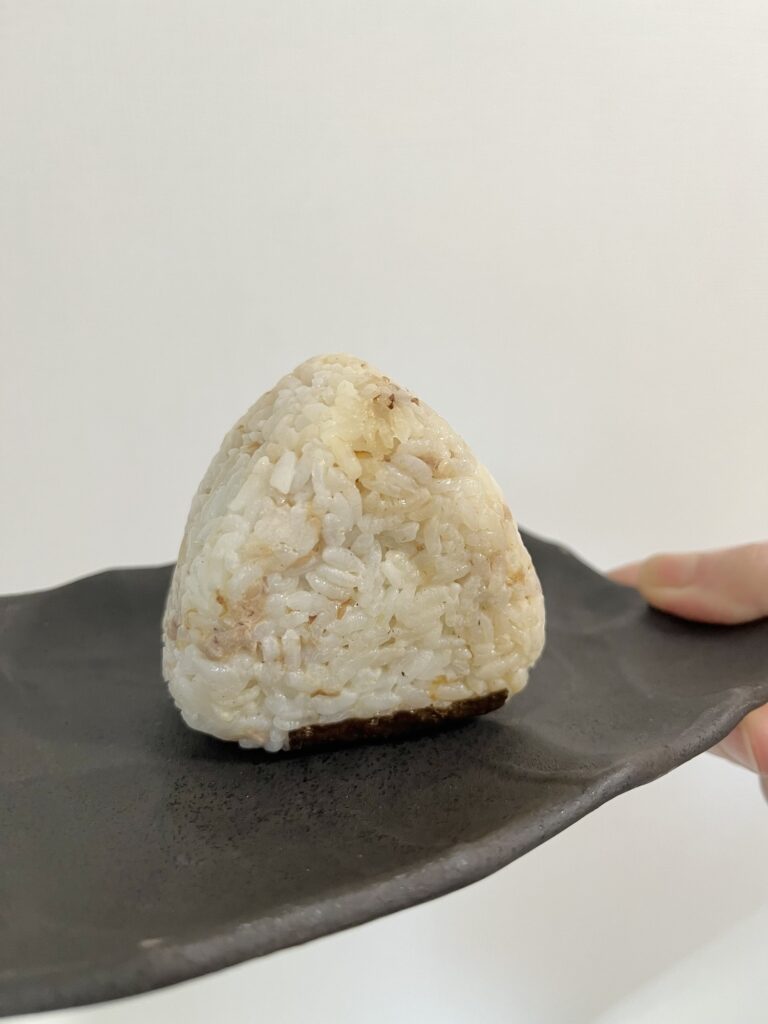
Tuna mixed with mayonnaise is one of the most popular onigiri fillings today.
It has a rich and creamy flavor that many people love, and it’s especially common in Japanese convenience stores.
Tuna mayo is one of the most popular onigiri flavors, even for people visiting Japan.
I also like adding a little katsuobushi (bonito flakes) to the tuna mayo. It makes it even tastier, so give it a try.
3. Salmon
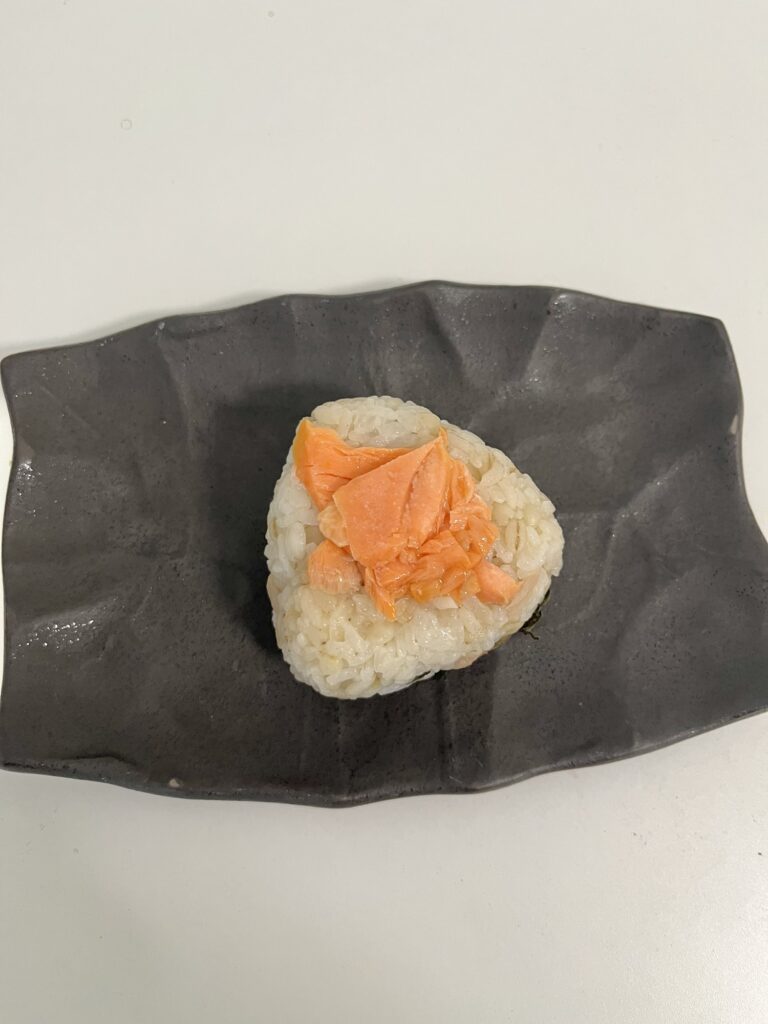
Grilled salmon is another classic filling.
The fish is usually lightly salted and flaked before being placed inside the rice. Its savory flavor goes perfectly with plain rice.
In Japan, you can even buy flaked salmon in jars, which makes it really easy to use for onigiri.
4. Kombu (Seasoned Kelp)
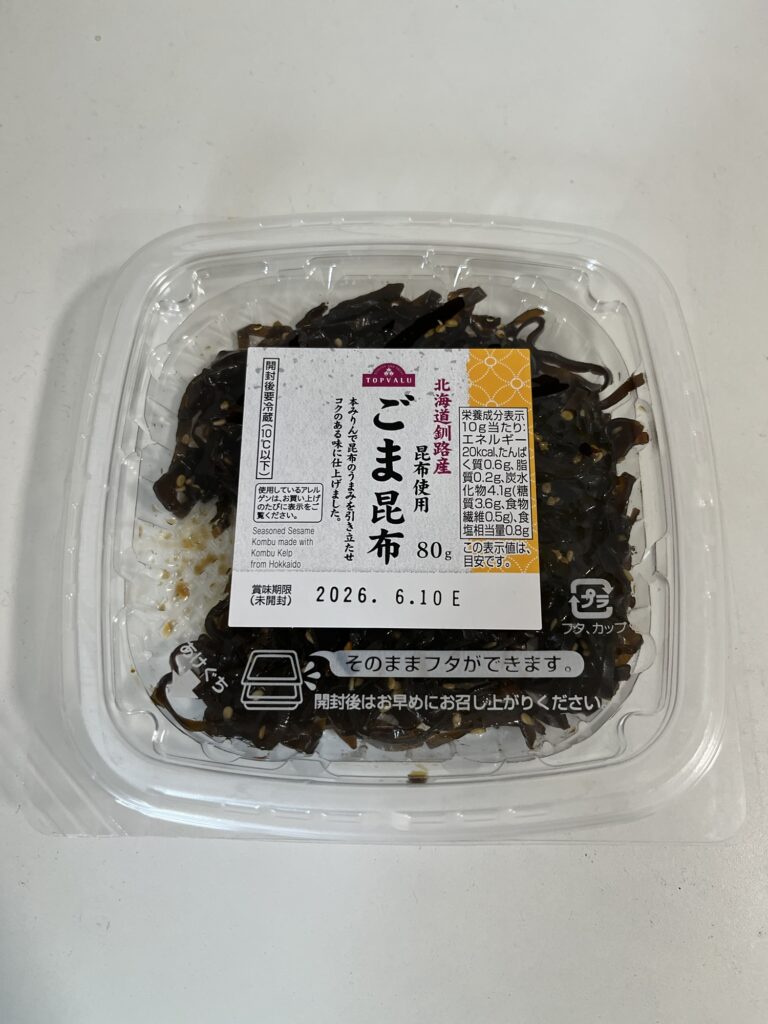
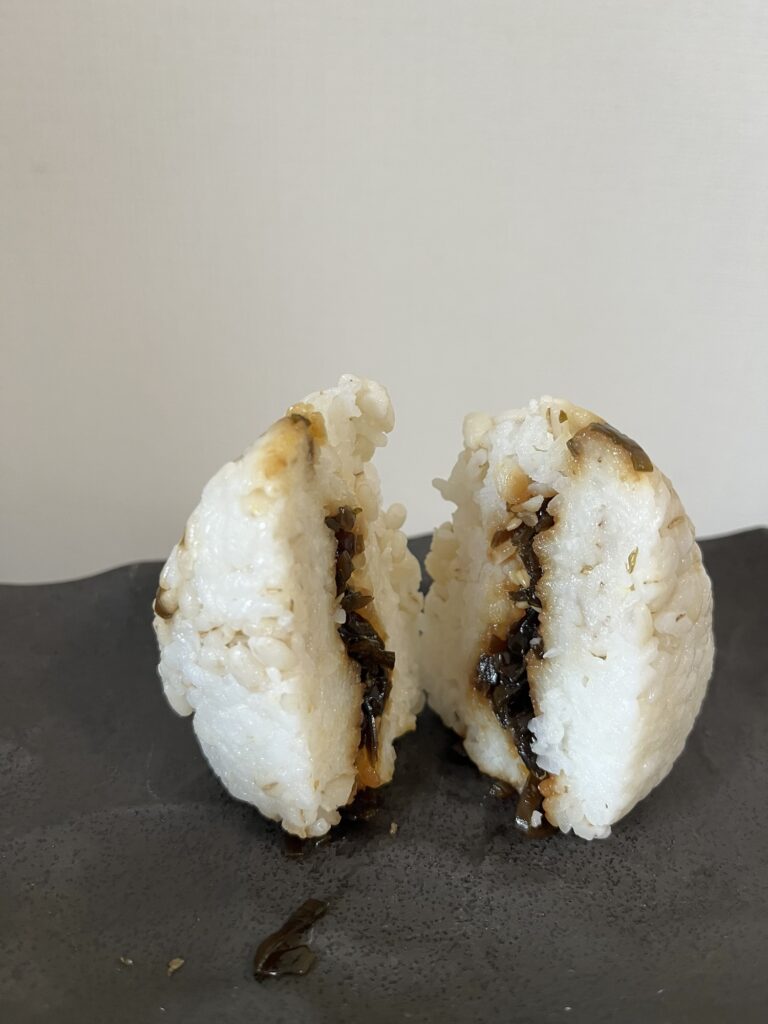
Kombu is kelp that has been simmered in a sweet and savory sauce.
It has a deep umami flavor and keeps well, which makes it a traditional and reliable filling for onigiri.
Kombu onigiri has a sweet and savory flavor, kind of like sukiyaki or gyudon.
If you want to try a very classic Japanese taste, kombu onigiri is a great one to start with.
5. Tarako (Salted Cod Roe)
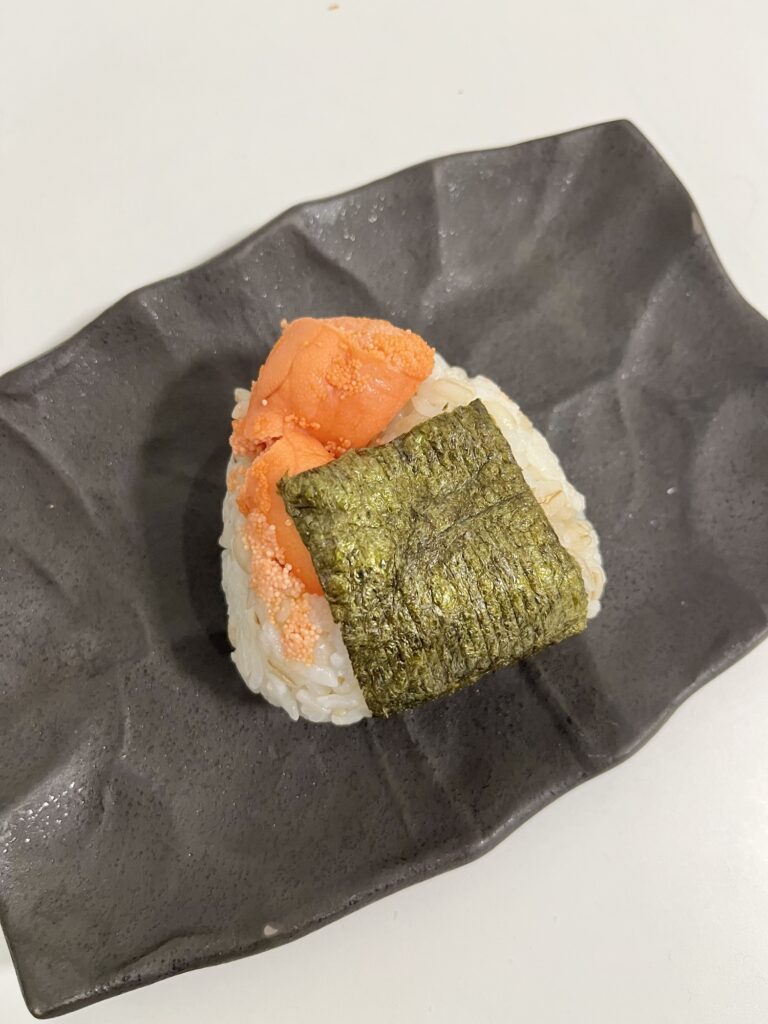
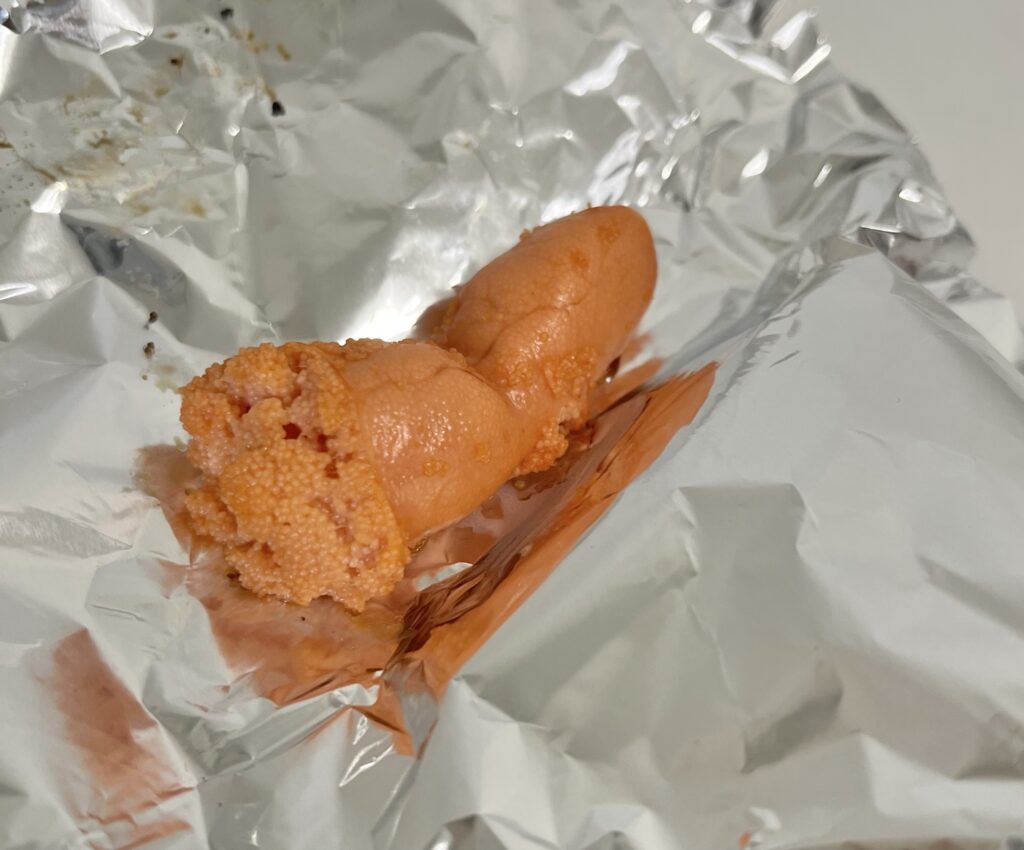
Tarako is salted cod roe and has a mild salty flavor with a slightly creamy texture.
It’s a popular ingredient in Japanese cuisine and works very well as an onigiri filling. Sometimes it is lightly grilled before being used.
If you’re not used to fish roe, tarako might look a little strange at first.
Some people from overseas even think it looks a bit weird.
Summary
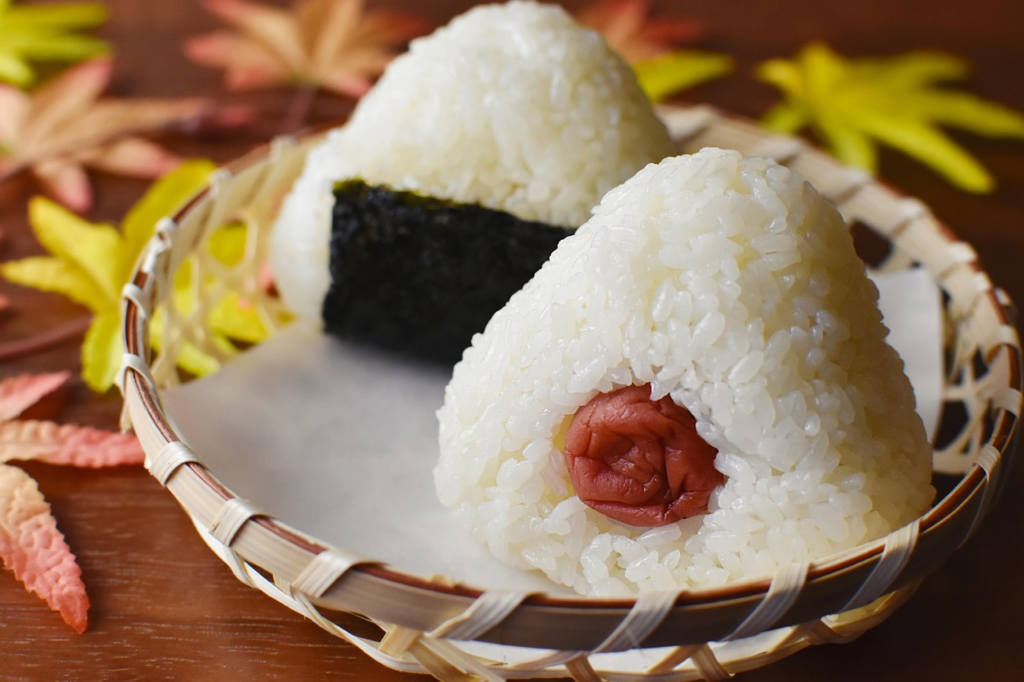
Onigiri is simple, but the fillings can create many different flavors.
The five classic fillings introduced here are:
- Umeboshi
- Tuna mayo
- Salmon
- Kombu
- Tarako
These are some of the most common onigiri flavors you’ll find across Japan.
If you haven’t tried making onigiri at home yet, it’s definitely worth a try!
コメント