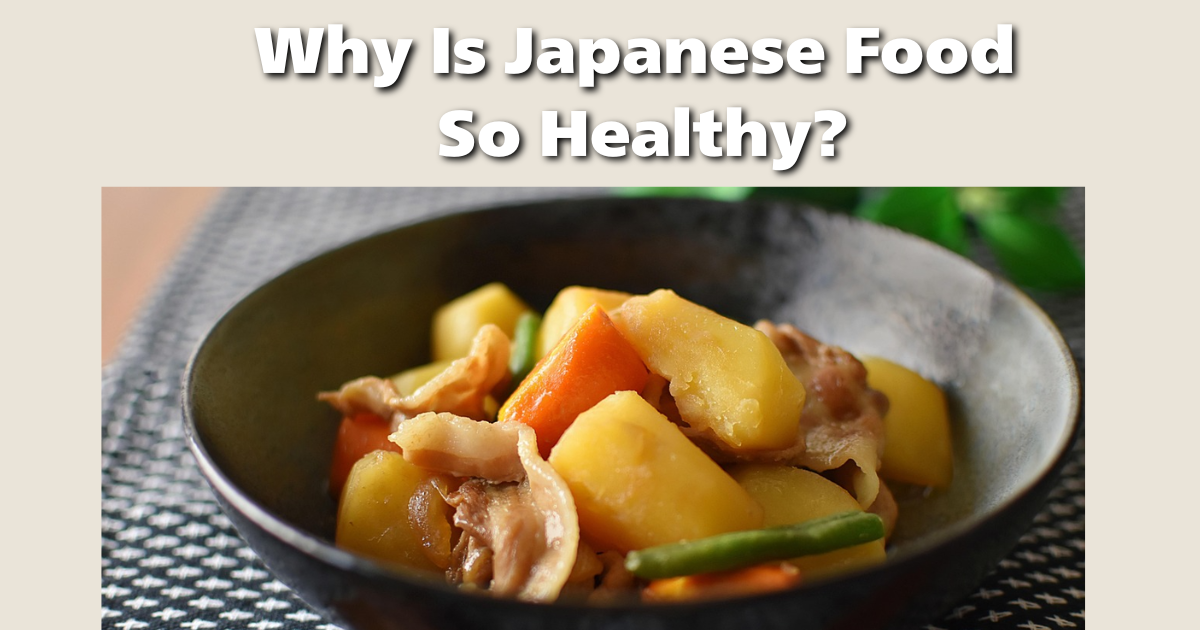
Why Is Japanese Food Considered Healthy?
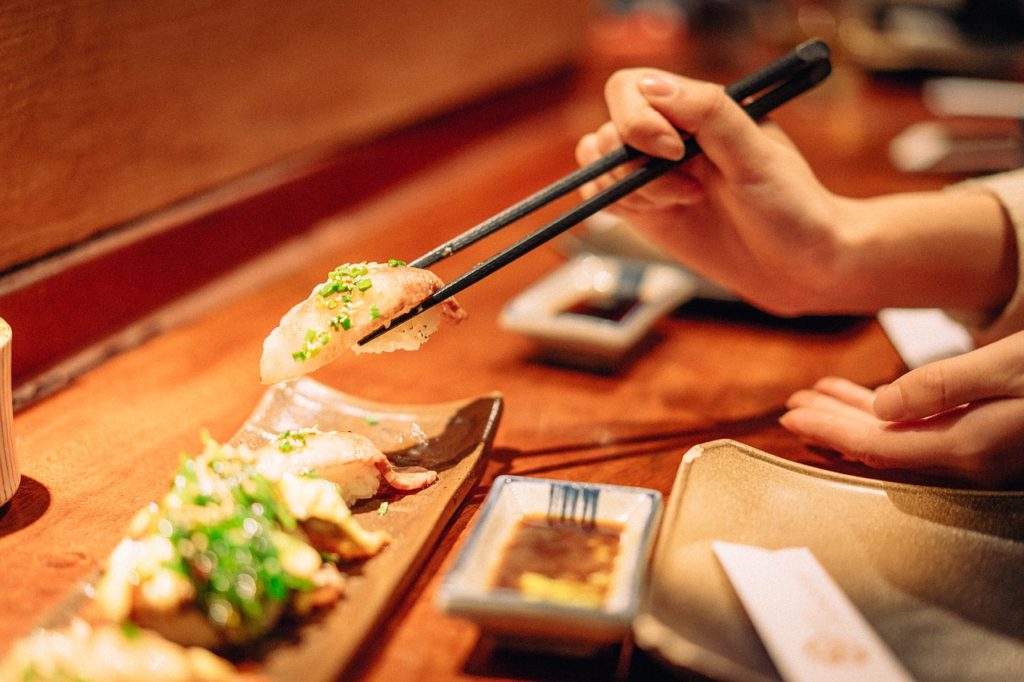
Japanese food is often described as one of the healthiest diets in the world.
But what actually makes it considered healthy?
As someone who lives in Japan and cooks at home, I’ve noticed that it’s not because of one special ingredient. Instead, it’s the overall balance, cooking methods, and everyday habits that make a difference.
・A Little Bit of Everything (Most of the Time)
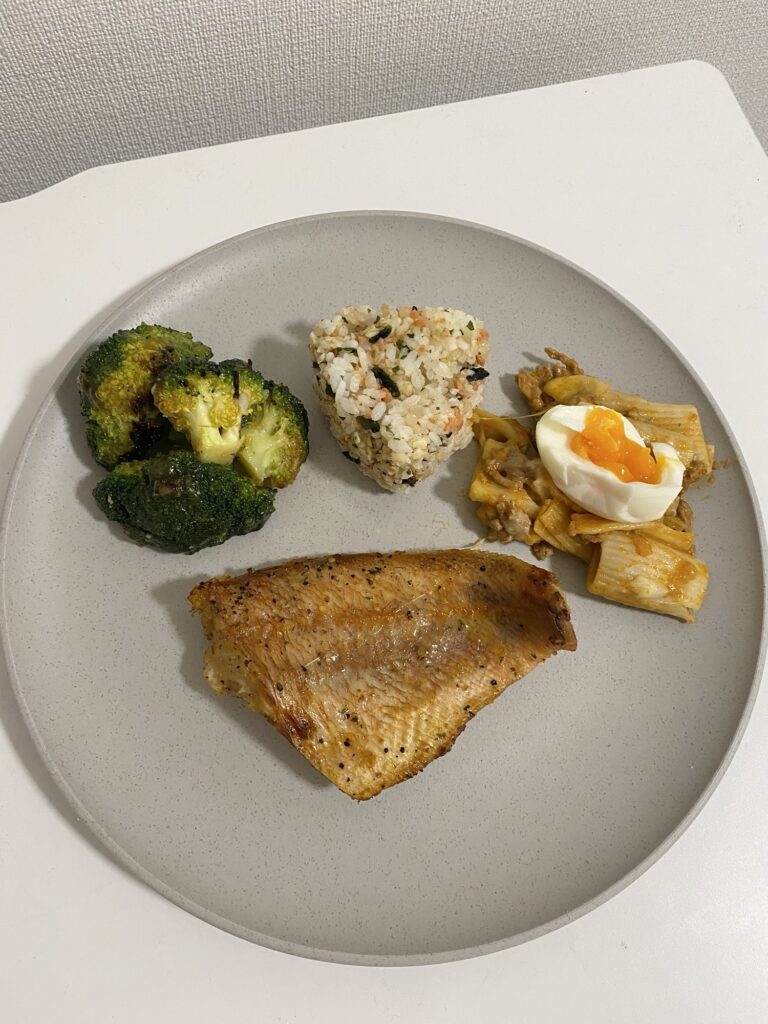
Japanese meals often include several small dishes instead of one big plate.
When that happens, eating a little bit of many different foods — such as vegetables, fish, meat, soy products, and rice — naturally helps create a more balanced meal.
Of course, not every meal looks perfectly balanced. Some days are simple, and some days I eat more Western-style meals.
But overall, this way of eating makes it easier to avoid extreme imbalances.
・Cooking Methods That Use Less Oil
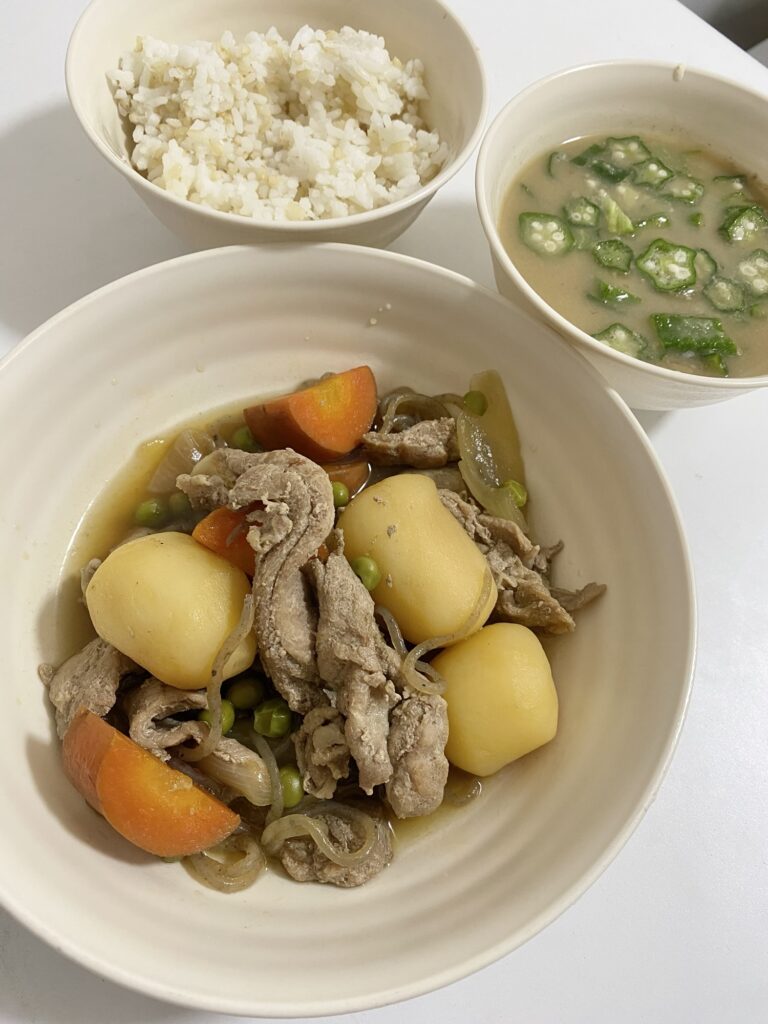
Another reason Japanese food is often considered healthy is that many traditional dishes are naturally low in fat.
A simple meal like rice, miso soup, and simmered dishes can be prepared without using much oil at all.
Instead of relying on butter, cream, or heavy sauces, Japanese cooking often uses dashi (soup stock), soy sauce, and mirin to create flavor.
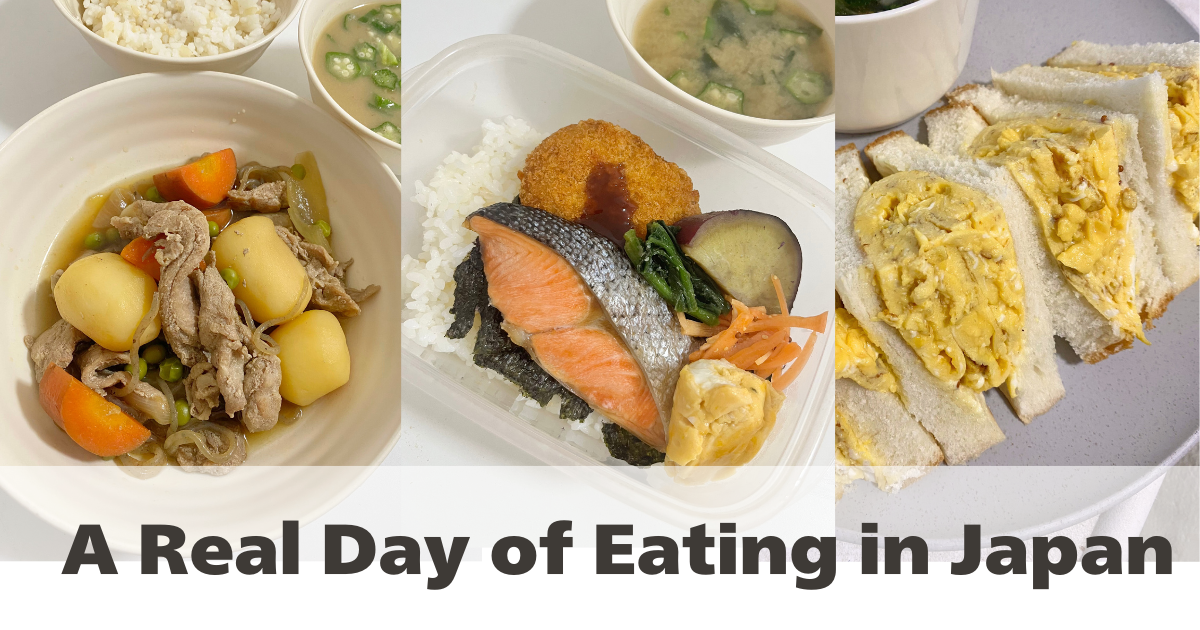
For example, dishes like nikujaga (simmered meat and potatoes) can be made with little to no added oil.
・Fermented Foods Are Common
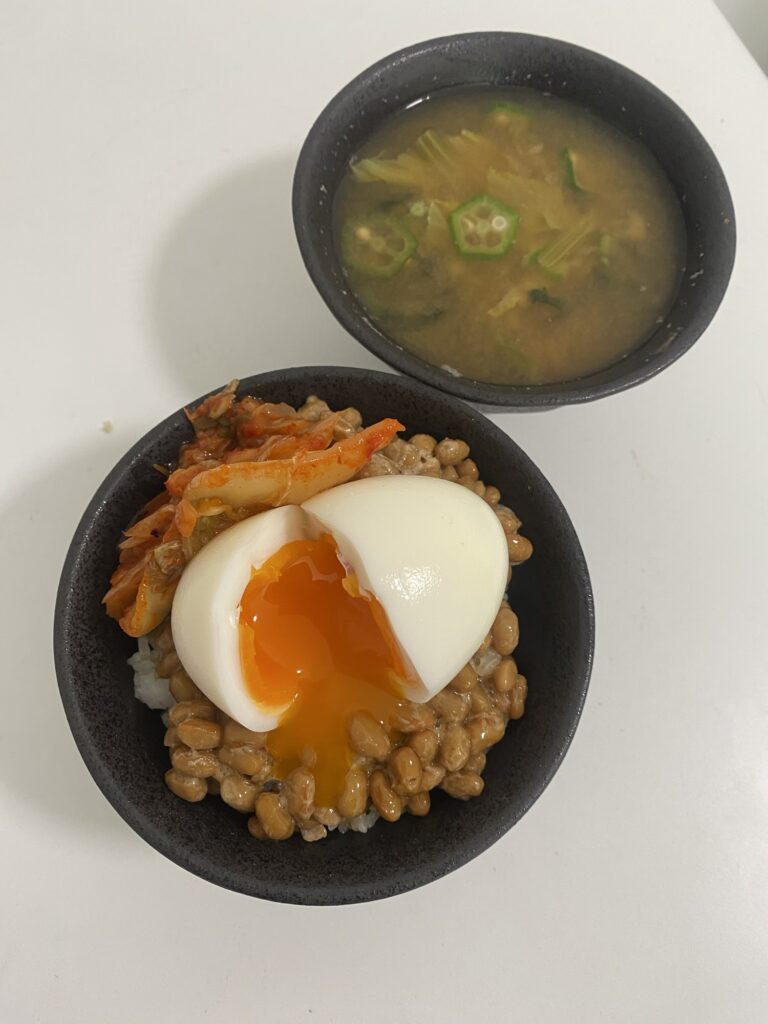
Japanese cuisine also includes many fermented foods, such as miso, natto, soy sauce, and pickles.
These foods are a normal part of everyday meals and are often associated with gut health.
Even something simple like miso soup adds both flavor and nutritional value to a meal.
※One Thing to Be Careful About: Sodium
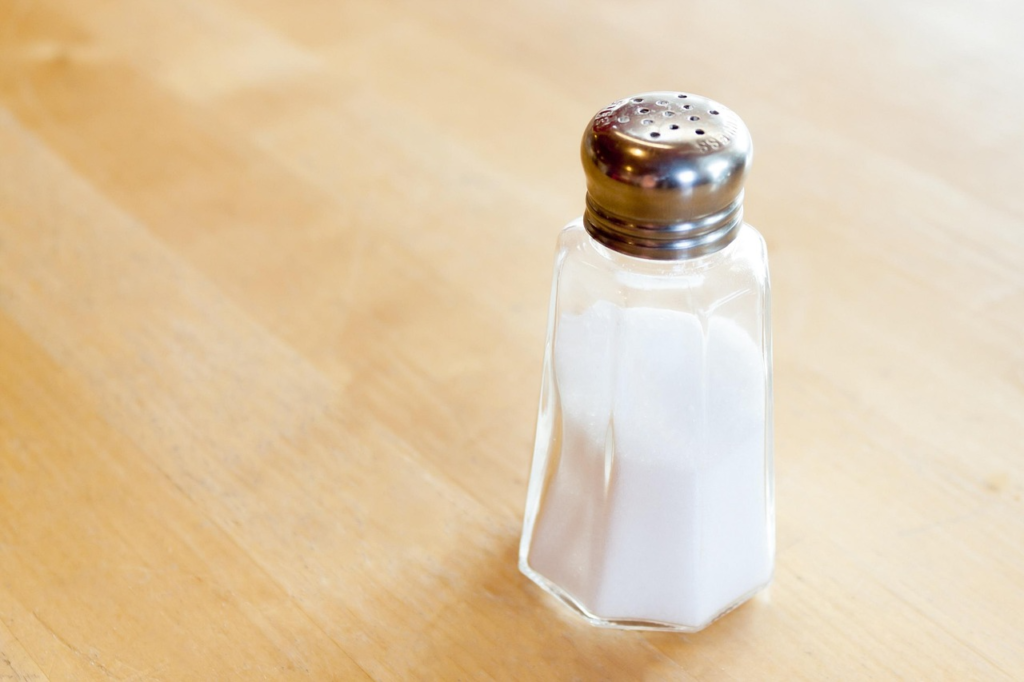
One thing to be aware of is that Japanese food can sometimes be high in sodium.
Seasonings like soy sauce, miso, and other fermented products contain salt and are used regularly in Japanese cooking.
However, this doesn’t necessarily make the diet unhealthy. Many meals also include vegetables, simple ingredients, and moderate portions, which help create overall balance.
As with any cuisine, balance is what matters most.
It’s About Everyday Balance
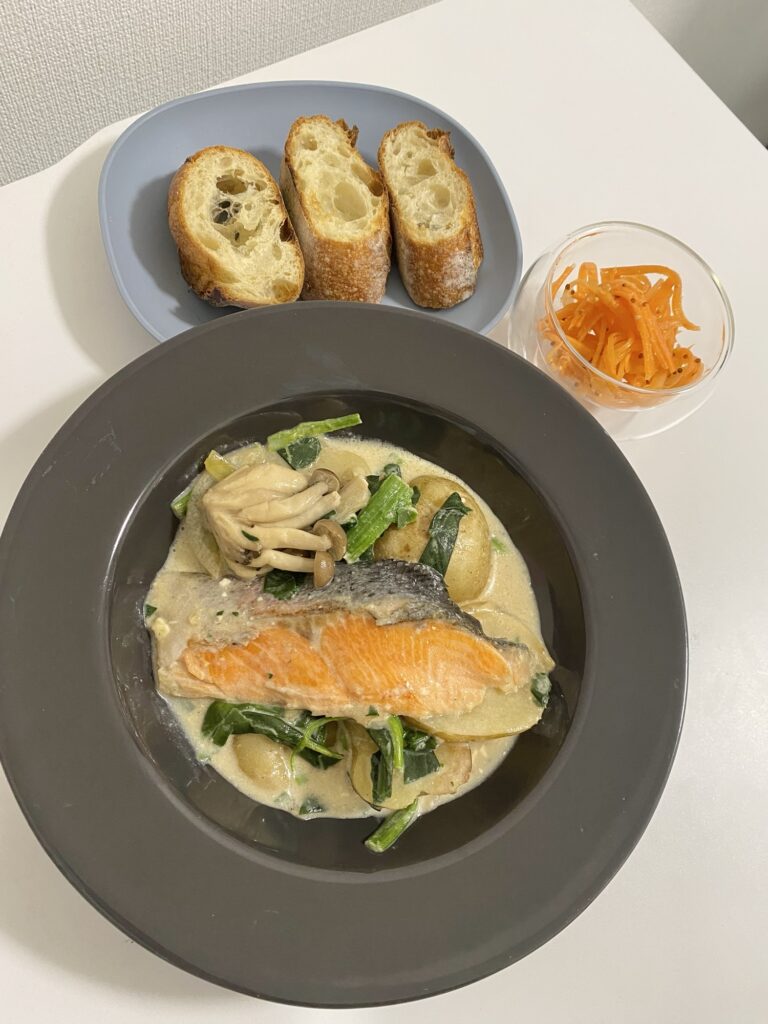
That said, I don’t eat traditional Japanese food every single day.
As a Japanese person living in Japan, I also eat bread, pasta, and other Western-style meals very often.
I enjoy them, and I believe they can be healthy too depending on how you prepare them.
By adding vegetables, adjusting portions, or choosing simple ingredients, it’s possible to keep meals balanced regardless of the cuisine.
For me, healthy eating isn’t about following strict rules. It’s about balance and everyday choices.
Final Thoughts
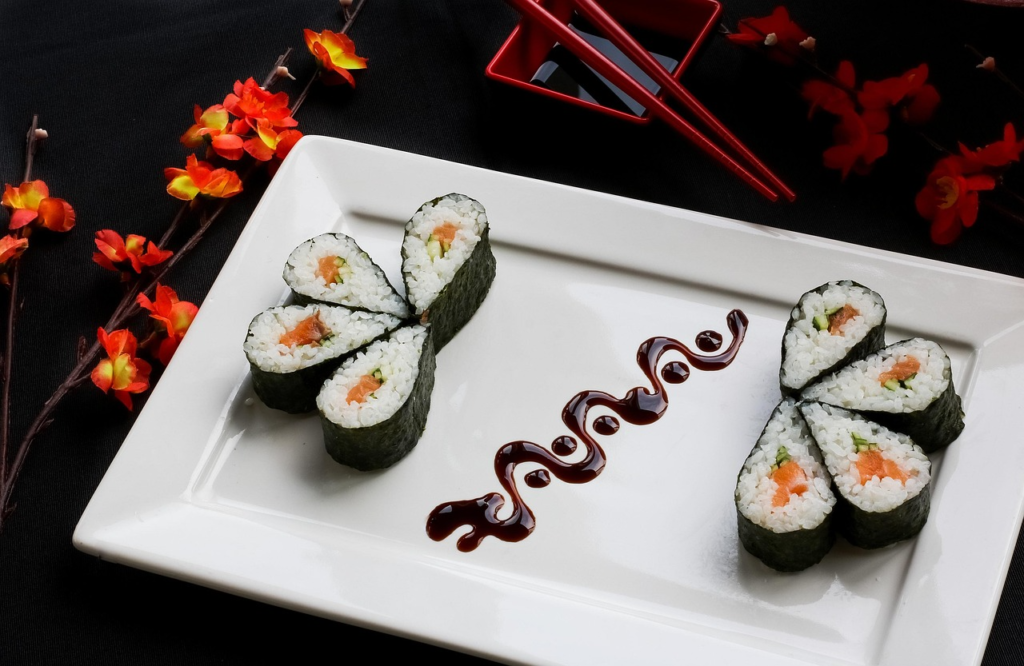
Japanese food is often considered healthy not because it is perfect, but because of its balance, variety, and simple cooking methods.
It’s not about dieting. It’s just how many everyday meals are naturally prepared.
If you’d like to see a real example, you can check out what I eat in a typical day in Japan.
\ Follow me on social media ♪ /



コメント