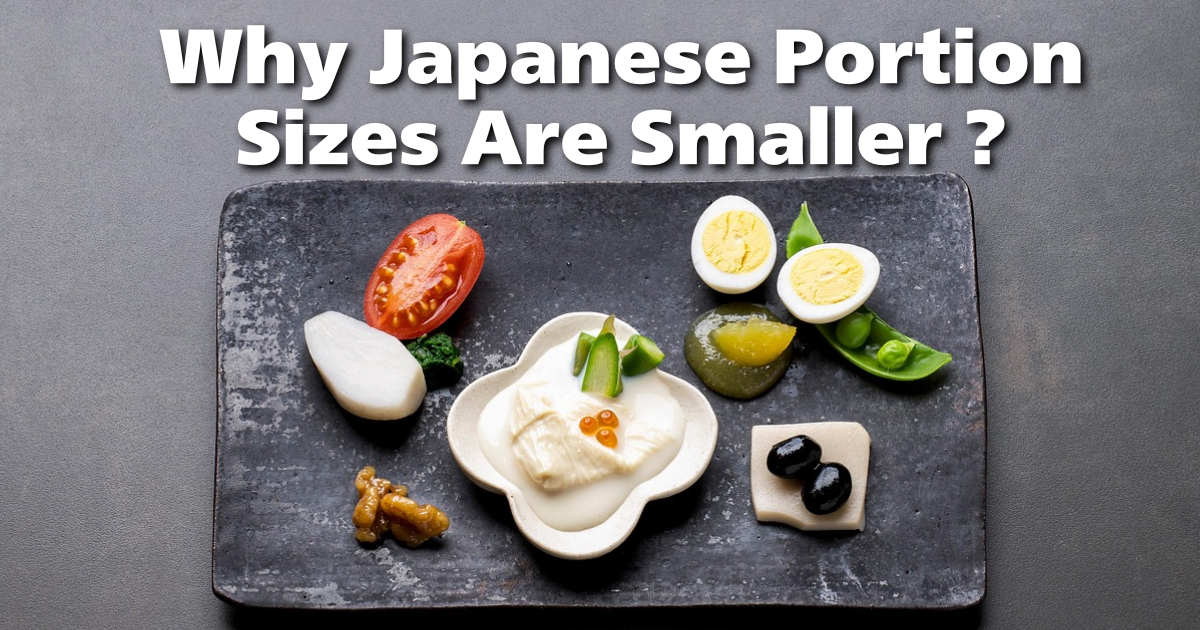
Many people say that Japanese portion sizes look smaller compared to Western meals.
But this isn’t simply about dieting. There are cultural and structural reasons behind it.
From my experience living in Japan, the difference is less about strict rules and more about how meals are structured and served.
1. Small Bowls — But Not Always
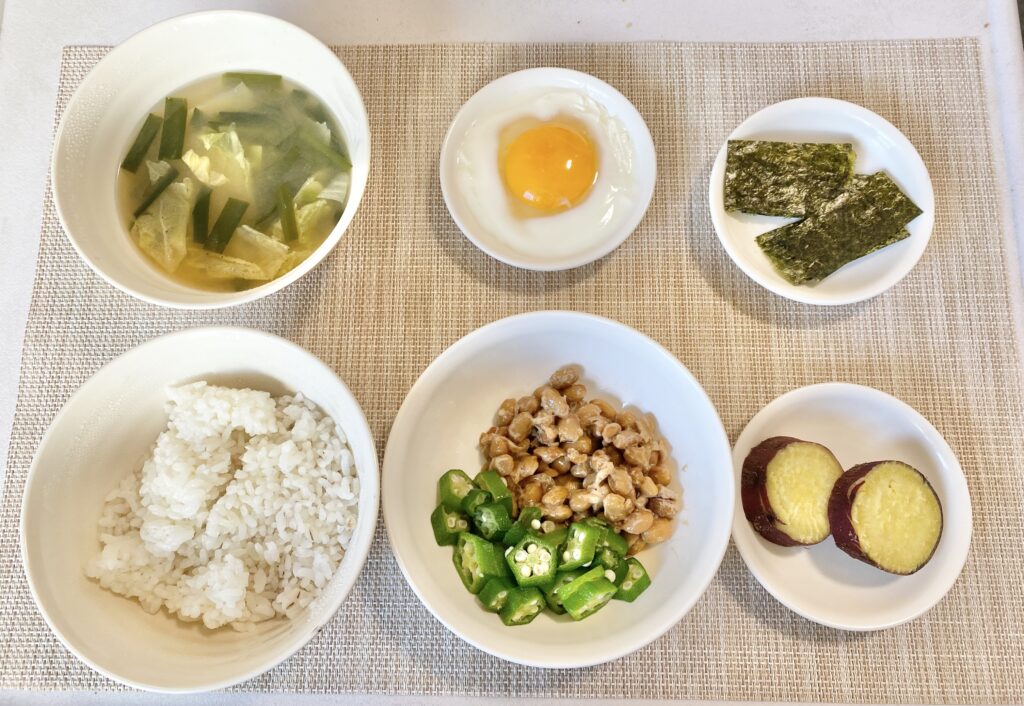
In many Japanese households, meals are often served in several small bowls rather than on one large plate.
Instead of one big portion, food is divided into sections — rice, soup, a main dish, and side dishes.
That said, not every meal uses separate small bowls. Sometimes side dishes are simply arranged together on one larger plate. Even then, portions tend to remain moderate.
In my home, it depends on the day. Some meals look more traditional, while others are much simpler.
2. The Size of a Rice Bowl
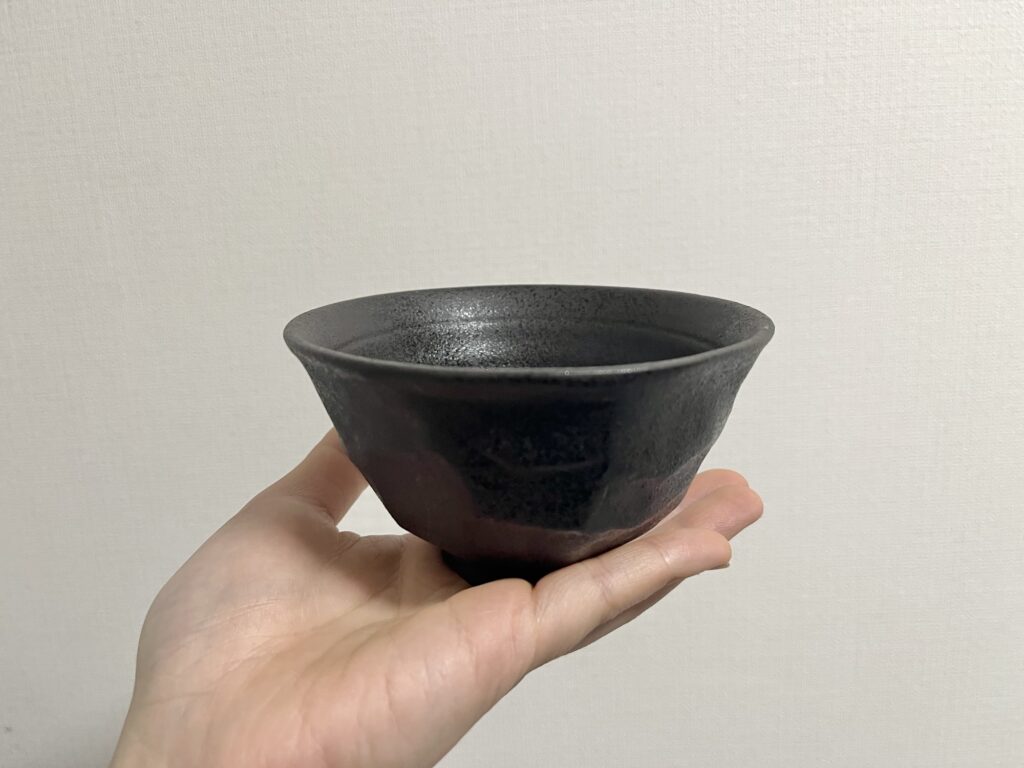
One noticeable difference is the size of the rice bowl.
A typical Japanese rice bowl is much smaller than what many Western restaurants serve. Rice is eaten regularly, but usually in moderate portions.
Because the bowl itself is small, the portion naturally stays controlled. It’s not about restriction — it’s simply the standard size.
3. Variety Instead of Volume
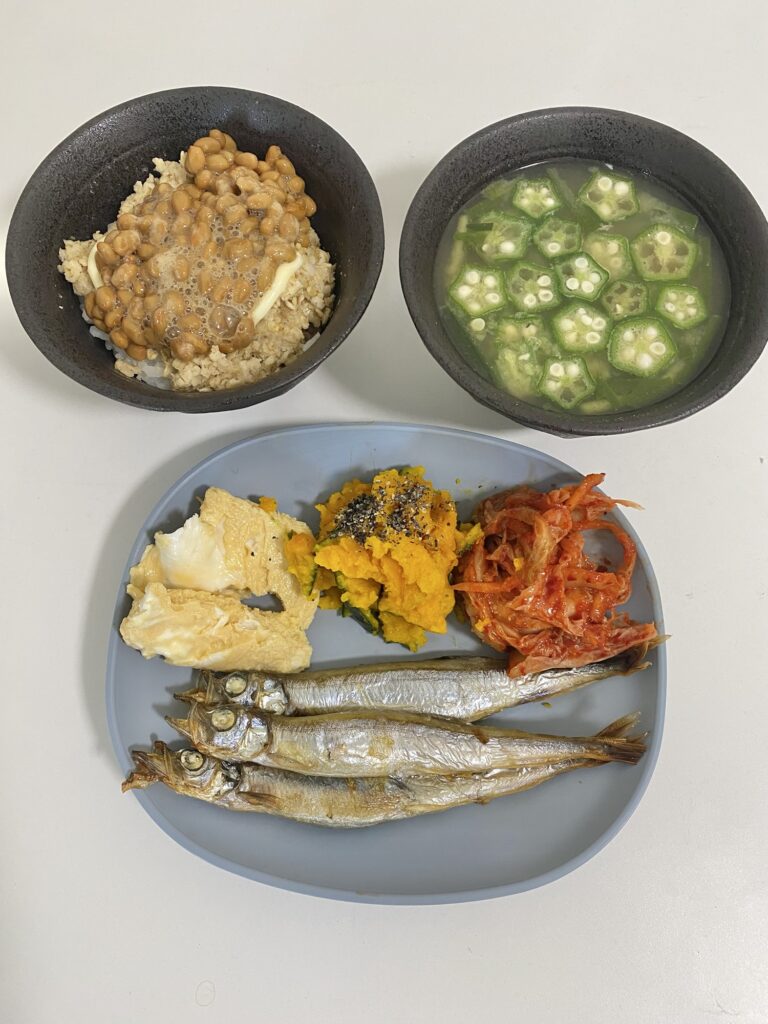
Japanese meals often focus on variety rather than large quantities of one item.
Instead of one large serving of meat or pasta, a meal might include fish, vegetables, soup, and rice — each in modest amounts.
This structure can make meals feel balanced without being overly heavy.
4. Cultural Influence: “Hara Hachi Bu”
In Japan, there is a traditional idea called hara hachi bu, which means eating until you are about 80% full.
While not everyone consciously follows this rule, the idea of avoiding overeating has long been part of Japanese food culture.
This mindset may influence how portions are perceived and served.
5. It’s Not Always Small
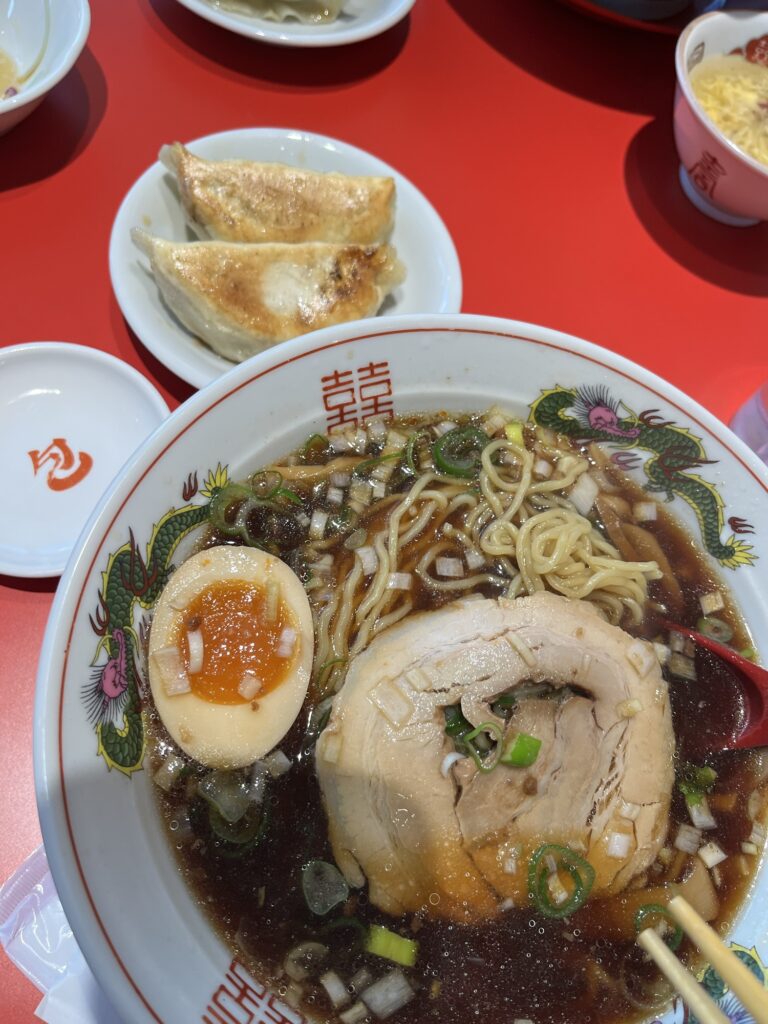
Of course, not all Japanese meals are small.
There are large ramen bowls, fried foods, and oversized restaurant portions — especially in cities.
However, everyday home cooking often remains moderate in portion size.
Final Thoughts
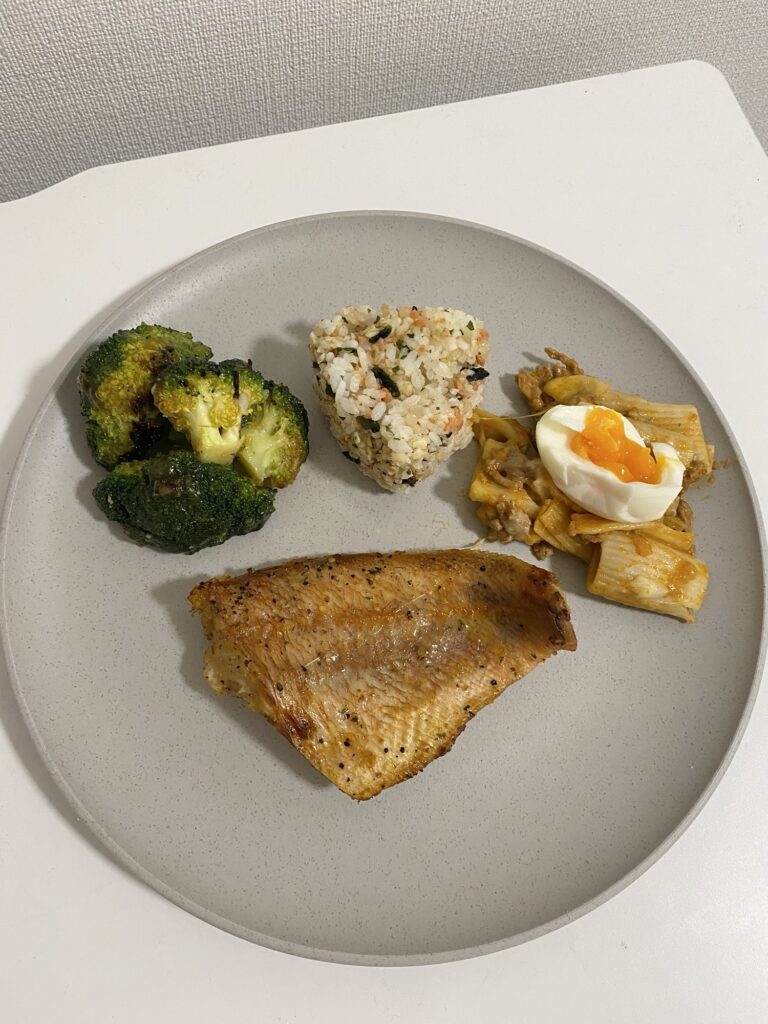
Japanese portion sizes may appear smaller, but they are shaped by culture, tableware, and meal structure rather than strict dieting.
In my experience, it’s less about eating very little and more about eating moderate amounts consistently.
If you’re curious what a real day of meals looks like in my home, you can read my “What I Eat in a Day in Japan” post here.
I also post my everyday meals on Instagram, so feel free to follow along there.